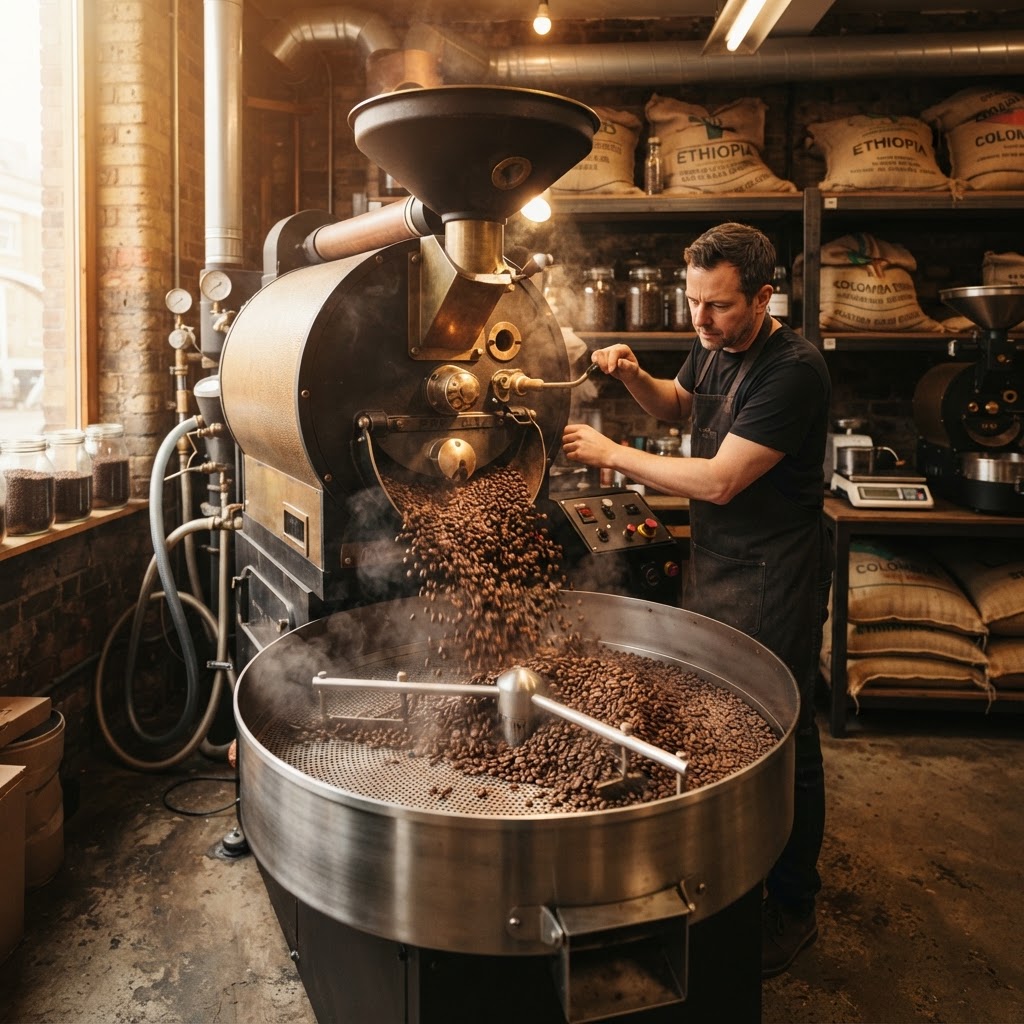
In the rapidly evolving hospitality landscape of the United Arab Emirates, coffee has transitioned from a basic amenity to a sophisticated craft. For procurement managers and food and beverage directors across Dubai, Abu Dhabi, and the wider GCC, understanding the journey from cherry to bean is no longer optional. The way a coffee cherry is processed after harvest is perhaps the most significant factor in determining its final flavor profile, body, and acidity. This guide explores the core coffee processing methods and how they impact the quality of the cup served in your establishment.
The Natural Process: Complexity and Tradition
The natural, or dry process, is the oldest method of coffee processing and remains a favorite in regions with limited water access or high sun exposure. In this method, the whole coffee cherries are spread out in thin layers to dry in the sun, often on raised beds or brick patios. To prevent spoilage and ensure even drying, workers must turn the cherries regularly. In the UAE's specialty coffee scene, naturally processed beans are highly prized for their intense fruitiness and heavy body.
Characteristics of Natural Process Coffee
- Flavor Profile: Bold, winey, and fruit-forward (notes of blueberry, strawberry, or tropical fruits).
- Body: Heavy and syrupy mouthfeel.
- Acidity: Generally lower and more integrated than washed coffees.
"Choosing the right processing method is the bridge between the terroir of the farm and the sensory experience of the guest in a Dubai boutique cafe."
The Washed Process: Clarity and Precision
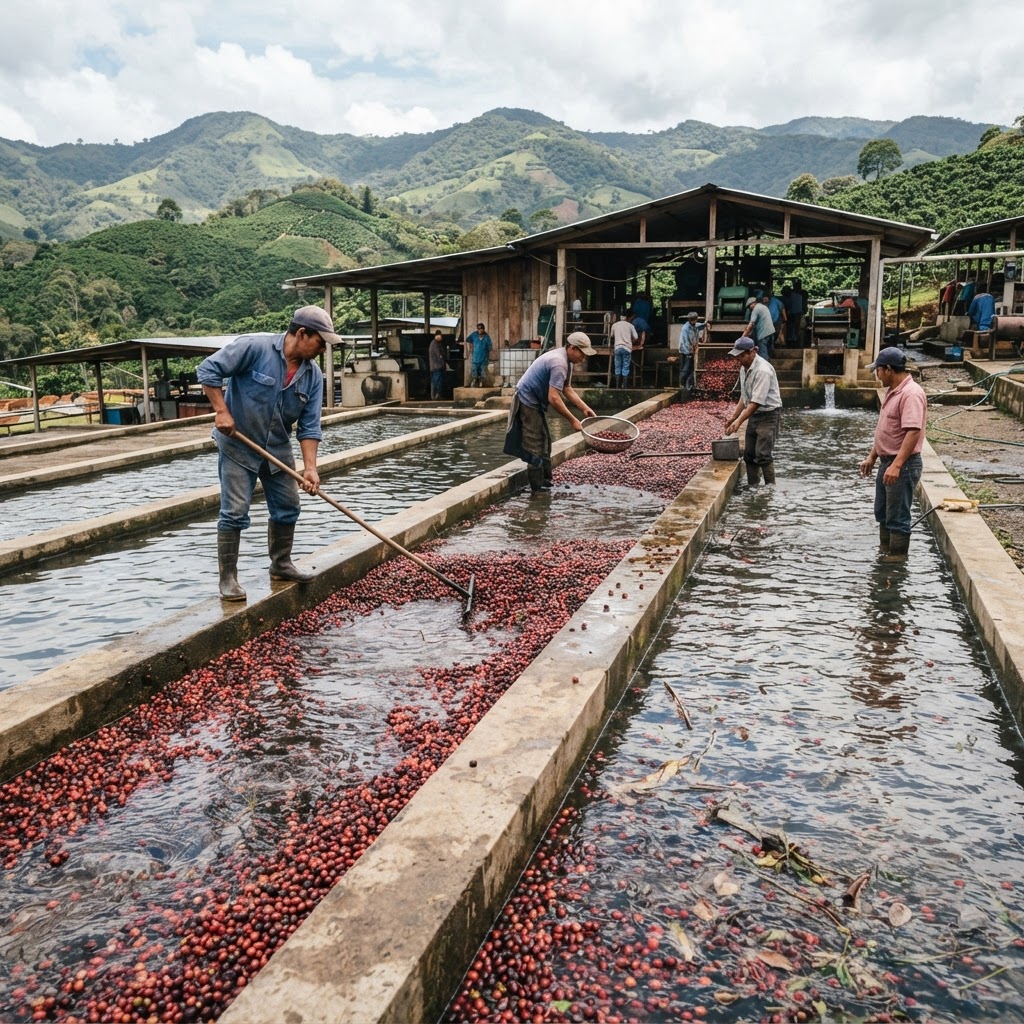
The washed, or wet process, focuses solely on the bean itself by removing all layers of the cherry before drying. This process requires significant amounts of water and specialized machinery, such as depulpers and fermentation tanks. After the outer skin is removed, the beans are fermented to break down the sticky mucilage layer. Because the fruity exterior is removed early, the resulting flavor is a reflection of the bean's intrinsic qualities and the soil it grew in.
Why High-End Hotels Prefer Washed Coffee
Many luxury hotels in the GCC region prefer washed coffees for their breakfast service and fine-dining environments. The profile is clean, bright, and consistent, making it easier to pair with a variety of cuisines. If your establishment prides itself on elegance and clarity of flavor, washed coffees from regions like Ethiopia (Yirgacheffe) or Colombia are excellent choices.
The Honey Process: Finding the Middle Ground
Despite its name, the honey process involves no actual honey. It is a hybrid method where the skin and pulp are removed, but some amount of the sticky mucilage (the "honey") is left on the bean during drying. Depending on how much mucilage remains, the process is categorized as White, Yellow, Red, or Black Honey. This method is particularly popular in Costa Rica and is gaining traction among green coffee buyers in the Middle East who seek unique, balanced profiles.
The Spectrum of Honey Processing
- White and Yellow Honey: Less mucilage remains; the flavor is closer to a washed coffee but with extra sweetness.
- Red and Black Honey: More mucilage remains; these exhibit more body and darker fruit notes, bordering on the complexity of a natural.
Experimental Methods: Anaerobic and Carbonic Maceration
As competition grows among specialty roasteries in Dubai's Al Quoz and Jumeirah districts, experimental processing methods have become a significant trend. Anaerobic fermentation involves placing coffee cherries in sealed tanks without oxygen. This allows for specific yeast and bacteria to flourish, creating flavor profiles that are often described as "funky," "boozy," or "lactic." Carbonic maceration, a technique borrowed from the wine industry, involves injecting carbon dioxide into the tanks. These methods are ideal for signature drinks and competitive brewing but require careful sourcing to ensure quality consistency.
Procurement Considerations for the GCC Market
When selecting coffee for a HORECA environment, procurement professionals must consider the local climate and equipment. In the high humidity of coastal UAE, the storage of processed beans is critical. Naturally processed beans, which contain more organic compounds, can sometimes be more sensitive to environmental changes. Furthermore, the choice of processing should align with your water filtration systems. Washed coffees often shine with standard specialty filtration, while heavy-bodied naturals may require specific adjustments to extraction parameters to avoid over-powering bitterness.
Ultimately, a diverse coffee menu should offer a balance. A washed coffee provides a reliable, clean experience for the daily drinker, while a natural or honey-processed bean offers a story and a sensory journey for the adventurous guest. For more information on optimizing your beverage program, visit our knowledge centre or request a quote for premium coffee solutions tailored to your business.