Gluten-free foodservice is not simply a matter of removing bread from a plate. For restaurants, hotels and caterers, it requires reliable ingredient checks, controlled preparation, trained staff and clear communication. A dish can contain no obvious wheat yet still be unsuitable because of an unexpected ingredient or cross-contact during storage, cooking or service.
This operational guide explains how to build a practical gluten-free process, from supplier specifications to the final handoff. It is intended for foodservice teams serving customers who avoid gluten for medical or personal reasons. The level of assurance and wording used should match what your operation can consistently deliver.
What does gluten-free foodservice require?
Gluten is a group of proteins found in wheat, barley and rye, and in related grains or varieties such as spelt and durum wheat. People with coeliac disease must avoid gluten, while others may avoid it because of wheat allergy, non-coeliac gluten sensitivity or dietary preference. These needs are not interchangeable: a wheat-free item, for example, is not necessarily gluten-free if it contains barley or rye.
Foodservice controls should address two distinct risks:
- Ingredient risk: gluten is present in a recipe, packaged product, seasoning, sauce or processing aid.
- Cross-contact risk: gluten unintentionally transfers to a gluten-free food through hands, utensils, surfaces, equipment, oil, storage or service.
A dependable programme connects purchasing, receiving, storage, preparation, cooking and communication. If any step cannot be controlled, staff should not make an assurance that exceeds the available evidence.
Which ingredients need verification before they go on the menu?
Start with the full recipe, including garnishes, sauces, marinades, stocks and finishing ingredients. Do not rely on a dish name or a supplier’s general reputation. Formulations and manufacturing arrangements can change, so verify products using current labels and written specifications.
Common hidden sources of gluten
- Grains and flour: wheat, barley, rye, malt, semolina, durum, couscous, bulgur, spelt and ordinary breadcrumbs.
- Sauces and condiments: some soy sauces, gravies, thickened sauces, marinades, salad dressings and seasoning blends.
- Processed products: sausages, deli items, imitation seafood, meat substitutes, soups, bouillon, snack toppings and ready-made desserts.
- Cooking ingredients: flour dusting, batter, shared fryer oil, malt vinegar or flavourings whose source is unclear.
Some products, such as pure rice, corn, potatoes, pulses, eggs, unprocessed meat, fish, fruit and vegetables, are naturally gluten-free. However, their suitability still depends on handling and the absence of added ingredients or cross-contact. Oats require particular care: they may be contaminated during growing or processing, and tolerance varies. Use oats only when the product and local guidance support the claim you intend to make.
How should foodservice teams verify supplier products?
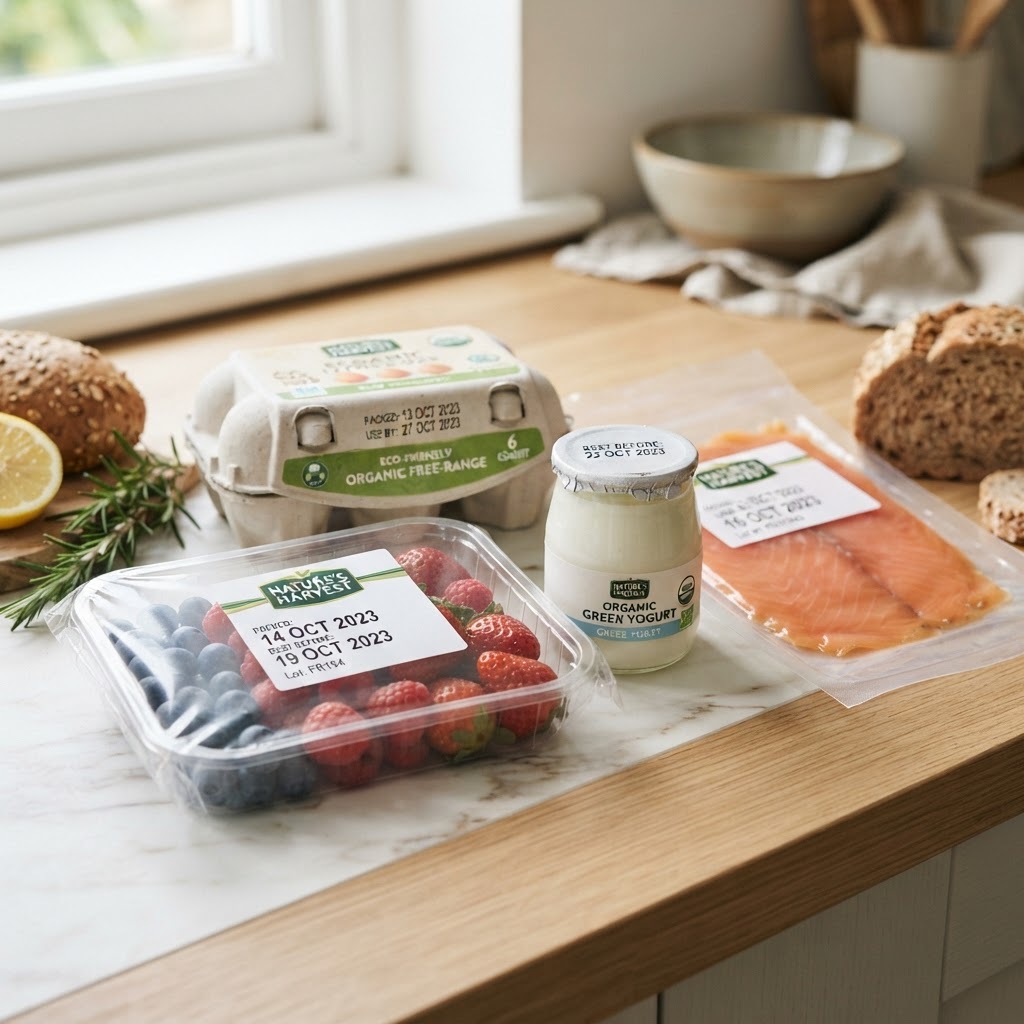
Use a documented approval routine instead of informal assumptions. Ask suppliers for current ingredient and allergen information, product specifications, and details relevant to cross-contact or manufacturing controls. Check the actual pack on receipt, since packaging may carry the most current declaration. Record the product name, supplier, date checked and any restrictions.
- Review every ingredient, sub-ingredient and allergen statement.
- Check whether a precautionary statement, such as “may contain,” affects your policy or customer assurance.
- Confirm the product’s suitability with the supplier if the label or specification is ambiguous.
- Keep approved-product records accessible to chefs and purchasing staff.
- Recheck when a product, supplier, label or recipe changes.
Horeca 360’s sourcing support and product catalogue can help foodservice buyers organise product selection and review options. Always verify the specific product information before placing it on a gluten-free menu.
How can you plan a safe and practical gluten-free menu?
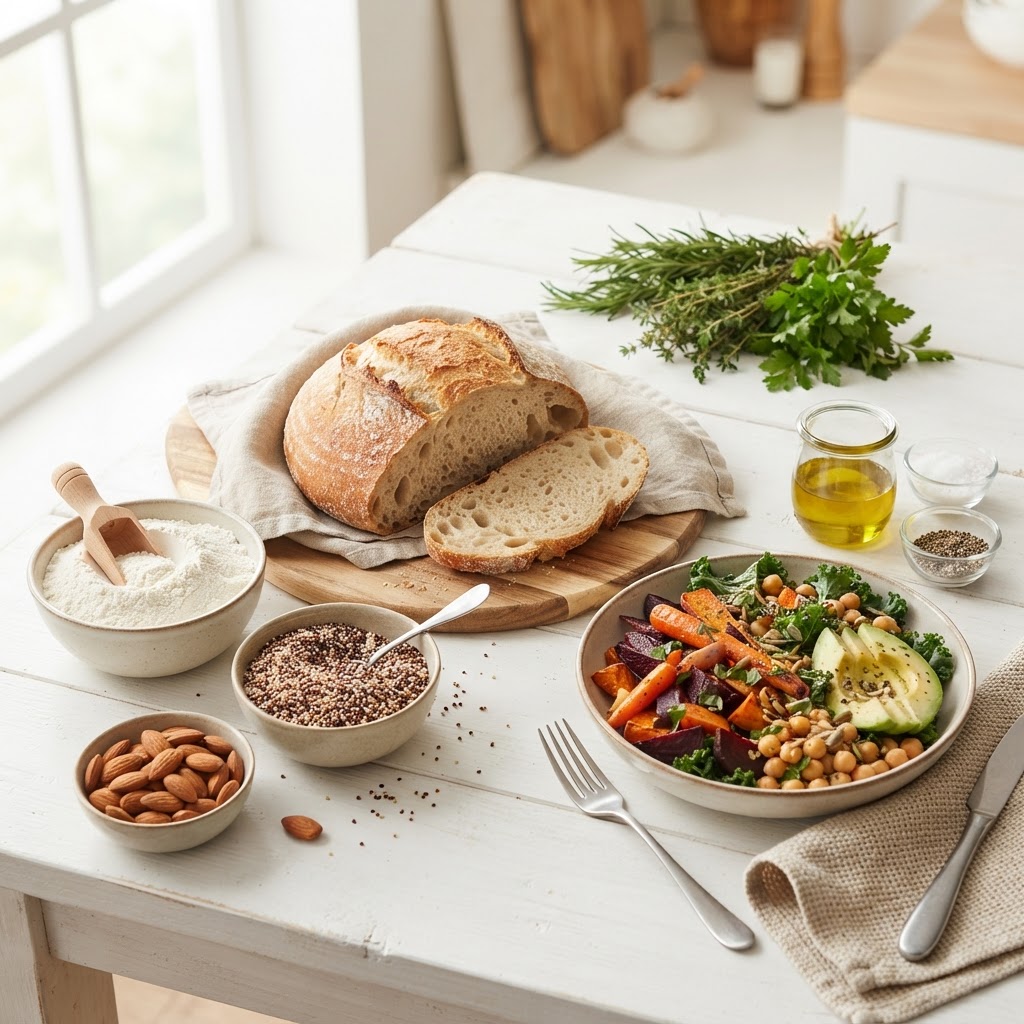
Design menu choices around ingredients that are naturally gluten-free, then control every addition. This often makes a menu easier to manage than adapting multiple flour-based dishes during service. For example, grilled fish with plain rice and vegetables may be straightforward if the marinade, cooking surface, seasoning and plating are all verified.
Build a menu matrix
A simple matrix lets managers and staff see where each dish needs attention. Mark items as suitable only after recipe and process checks; do not treat an empty ingredient list as proof of safety.
| Menu item | Ingredient review | Preparation check | Service decision |
|---|---|---|---|
| Grilled chicken, rice and vegetables | Check stock, spice blend and marinade | Use clean equipment and verified surface | Offer only when all components are controlled |
| Salad with dressing | Verify dressing, croutons and toppings | Use fresh gloves or clean utensils; avoid shared garnish bins | Serve without croutons and with verified dressing |
| Fries | Check coating and seasoning | Dedicated fryer or confirmed safe oil and process | Do not claim suitability if fryer is shared and uncontrolled |
| Flourless dessert | Check chocolate, flavourings and decorations | Prevent contact with flour, crumbs and shared tools | Describe as gluten-free only when the full process supports it |
Make substitutions operationally specific. “No bun” is not enough if the burger is placed on a board dusted with flour or handled with the same tongs as bread. Document the exact preparation and plating method for each approved dish. If a recipe is changed, pause the claim until it has been checked again.
How do you prevent cross-contact in a busy kitchen?
Cross-contact is the accidental transfer of gluten from one food or surface to another. A dedicated gluten-free kitchen is not always feasible, but consistent separation and cleaning procedures can reduce risk. The controls must fit the kitchen’s equipment, layout and service volume.
Separate storage and preparation
- Store verified ingredients sealed and clearly labelled, preferably above or apart from flour, breadcrumbs and open gluten-containing products.
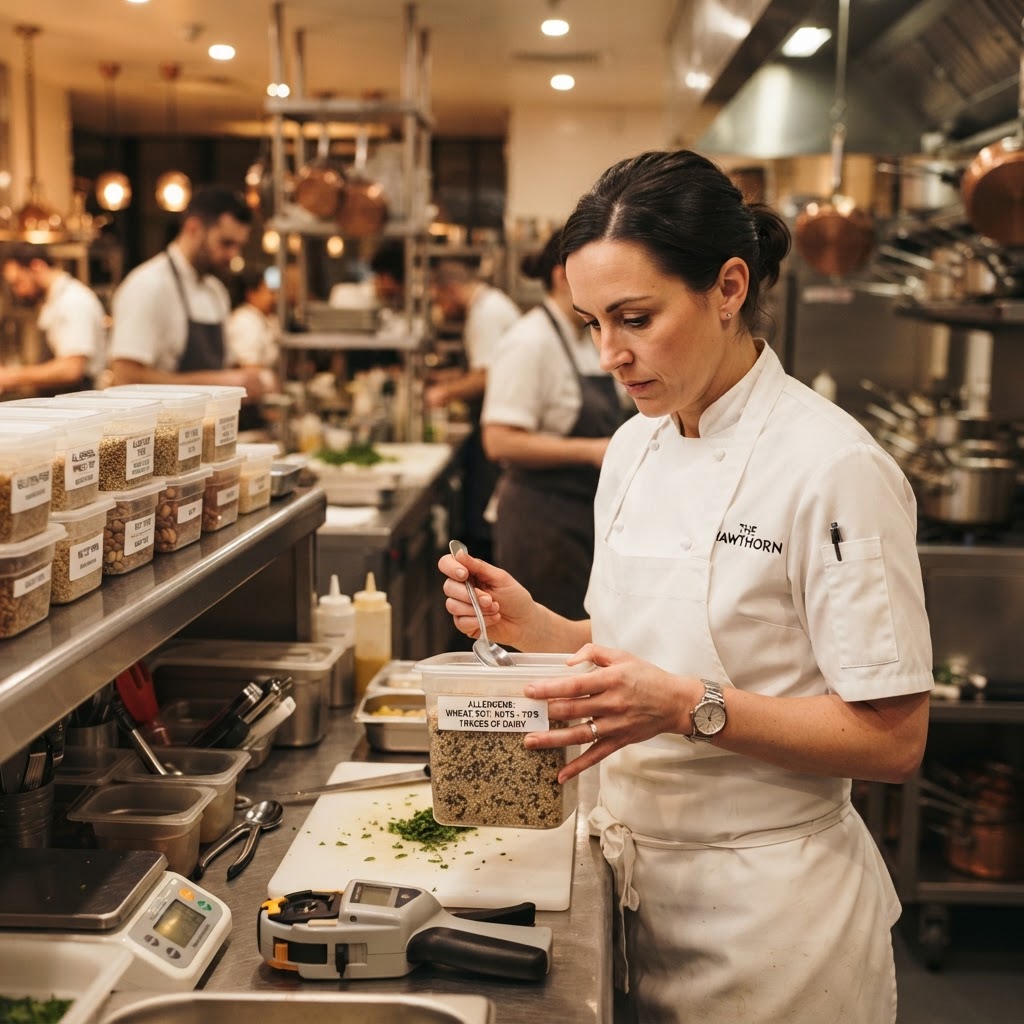
- Use designated containers and utensils. Colour coding can help, but labels and staff training must explain what each colour means.
- Prepare gluten-free orders before handling loose flour or bread where practical, and keep them covered until cooking or service.
- Use a cleaned and sanitised work surface. Remove crumbs and flour rather than simply wiping them around.
- Wash hands and change gloves between tasks. Gloves do not replace handwashing.
Control cooking equipment and serving tools
Shared fryers are a frequent source of cross-contact because gluten-containing crumbs and batter can disperse into the oil. A separate fryer is the clearest control. If it is unavailable, do not promise a gluten-free result unless a validated, locally acceptable process supports that assurance. Similarly, toasters, pasta water, grills, baking trays, colanders and wooden utensils can retain residues or crumbs.
| Equipment or step | Typical risk | Practical control |
|---|---|---|
| Fryer | Crumbs or batter in shared oil | Dedicated fryer and clearly identified oil |
| Toaster or sandwich press | Residual bread crumbs | Dedicated unit or an appropriate clean, separate method |
| Grill or worktop | Crumbs, flour or residue | Clean thoroughly and use a clean barrier or separate area where suitable |
| Serving station | Shared spoons and garnish contact | Dedicated utensils, covered containers and controlled handoff |
Cleaning is a food safety control, not a visual shortcut. Follow the chemical supplier’s instructions and your site’s cleaning schedule. Horeca 360’s cleaning and hygiene resources can support teams reviewing supplies and routines, but the kitchen must validate procedures for its own surfaces and equipment.
What staff procedures should be in place?
Every shift needs a clear route from customer request to plate delivery. Front-of-house staff should know how to record a request and who can confirm suitability. Kitchen staff should know the approved recipe and controls. Managers should be available when the answer is uncertain.
Use a repeatable order-to-plate checklist
- Ask and record: Is the customer avoiding gluten, and have they mentioned coeliac disease or another medical need? Do not ask intrusive questions; collect only information needed to handle the order.
- Check the current guide: Consult the approved recipe and allergen information, not memory.
- Escalate uncertainty: Ask the chef or manager before promising suitability.
- Prepare separately: Follow the defined handwashing, cleaning, utensil and equipment controls.
- Identify the order: Use your site’s clear ticket or verbal handoff system without exposing the plate to shared service items.
- Confirm at delivery: The person who prepared or checked the dish should communicate any relevant limitation accurately.
Train temporary, agency and catering staff as well as permanent employees. Include examples from your own menu: a staff member should know, for instance, that removing croutons from a finished salad does not undo crumb contact. Refresh training after recipe changes, incidents or updates to supplier information.
How should restaurants communicate menu suitability safely?
Use precise language that reflects your evidence and controls. Avoid broad statements such as “everything can be made gluten-free” unless every option has been assessed and the required preparation can be delivered reliably. A menu symbol can be useful, but it should link to a defined standard and be backed by current information.
Explain relevant limitations plainly. If a shared fryer prevents you from controlling cross-contact, tell the customer before they order rather than after preparation. If staff cannot verify an ingredient, say so and offer a safer alternative where possible. Never guess or describe a dish as safe based solely on its main ingredient.
Country rules differ. Some jurisdictions define and regulate “gluten-free” claims, thresholds, packaged-food declarations or restaurant allergen information; others place different duties on food businesses. Requirements may also distinguish gluten-free from wheat-free. Check the rules that apply where the food is prepared and sold, consult the competent local authority when needed, and align menu wording with your documented controls. This article is general operational guidance, not legal advice.
What should a gluten-free foodservice audit checklist include?
Managers can use this short review before launch and at regular intervals:
- Current recipes and supplier specifications are available for every claimed dish.
- Sub-ingredients, sauces, garnishes and substitutions have been checked.
- Approved products are identified and changes trigger a recheck.
- Storage, preparation, cooking and service controls are documented.
- Shared fryer, toaster, utensils and other high-risk equipment have explicit decisions.
- Staff can find the procedure and know when to escalate.
- Menu claims and customer explanations match the operation’s actual capability.
- Incidents, customer feedback and corrective actions are recorded and reviewed.
For caterers, add transport and event controls: keep meals sealed and identified, separate them from bread and pastry during loading, confirm the venue’s preparation arrangements, and agree who is responsible for final service. A meal prepared safely at a central kitchen can still be compromised at a buffet or event pass.
Frequently Asked Questions
Can a restaurant call a dish gluten-free if it is prepared in a shared kitchen?
A shared kitchen does not automatically determine the answer, but the restaurant must control cross-contact and follow applicable local rules. If the kitchen cannot reliably prevent transfer through surfaces, equipment, oil or handling, it should explain the limitation and avoid an assurance it cannot support.
Are fries gluten-free?
Plain potatoes are naturally gluten-free, but fries may be coated, seasoned or cooked in oil shared with battered foods. Check the product, seasoning and fryer process before describing them as suitable.
Is “wheat-free” the same as “gluten-free”?
No. Gluten also occurs in barley, rye and certain related grains, while some wheat-free products may still contain another gluten source. Use the term that accurately reflects the recipe, controls and local claim requirements.
How often should ingredient information be checked?
Check when first approving a product and whenever its brand, supplier, formulation or packaging changes. Maintain a periodic review as well, and ensure staff use current information rather than an outdated printed sheet.
What should staff do if they are unsure whether a dish is suitable?
They should pause, avoid guessing, and consult the chef or manager using current product and process information. If the uncertainty cannot be resolved, explain that clearly and suggest only an alternative the operation can verify.
A reliable gluten-free foodservice programme depends on repeatable controls, not a single menu label or well-intentioned promise. By verifying ingredients, separating preparation, training staff and communicating honestly, restaurants and caterers can make more informed decisions and serve customers with greater confidence. Explore Horeca 360’s food supply solutions or contact the team to discuss operational sourcing needs.