
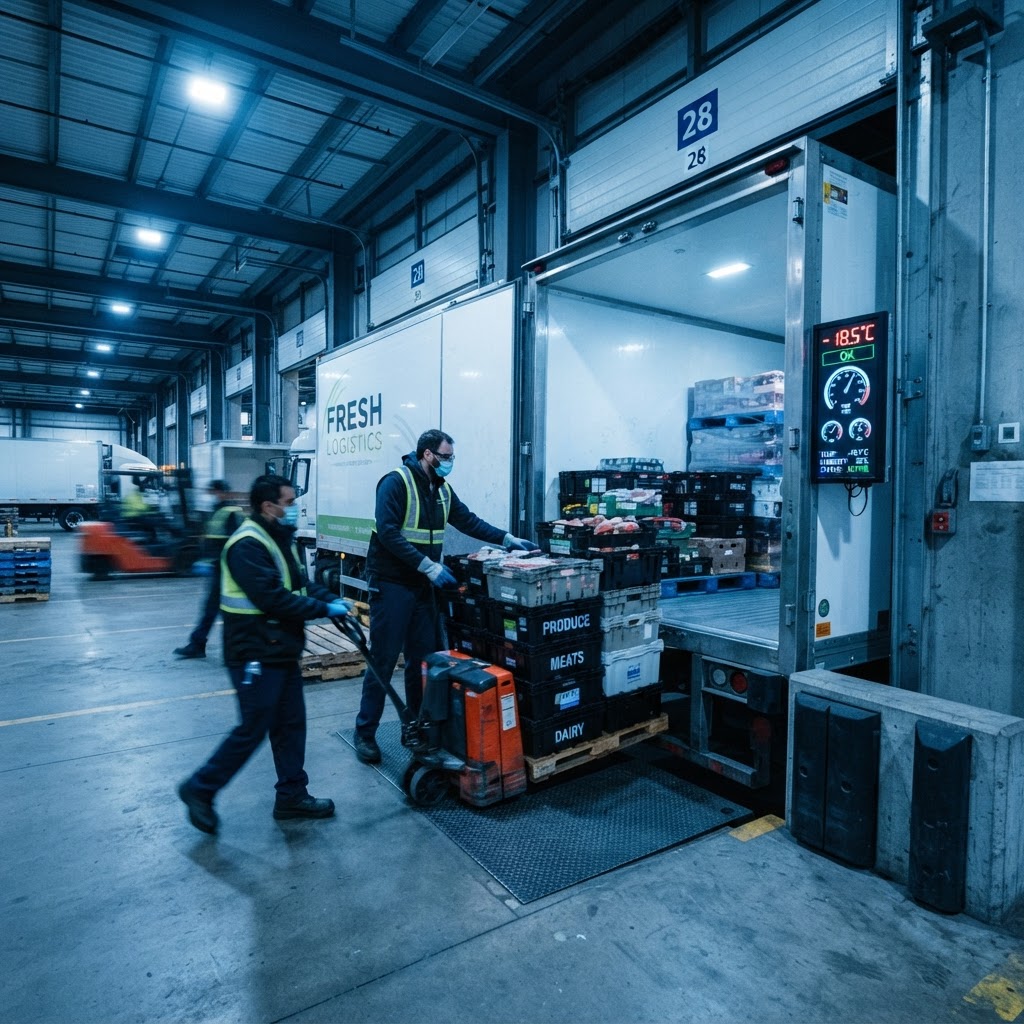
Cold chain logistics is the invisible backbone of the hospitality industry in the Middle East, serving as the critical infrastructure that ensures food safety from farm to fork. For a executive chef in a luxury Dubai hotel or a procurement manager for a bustling Abu Dhabi café, the journey a product takes before reaching the kitchen door is as vital as the culinary technique used to prepare it. In a region where ambient summer temperatures frequently exceed 45°C, maintaining a seamless temperature-controlled environment is not just a logistical preference; it is a fundamental requirement for business continuity and guest safety.
The Critical Components of Cold Chain Logistics
A robust cold chain is an uninterrupted series of storage and distribution activities that maintain a specific temperature range. In the UAE, this ecosystem is highly sophisticated, leveraging world-class infrastructure to support the HORECA sector. The process begins with pre-cooling, where heat is rapidly removed from products immediately after harvest or production to arrest spoilage. For businesses involved in global trade and export solutions, this initial step determines the maximum potential shelf life of the goods. Following pre-cooling, products move into specialized cold storage facilities. The UAE, particularly through hubs like the Jebel Ali Free Zone (JAFZA), offers some of the world's most advanced multi-temperature warehouses. These facilities are designed to handle diverse requirements, from deep-freeze sections for seafood and meat to chilled zones for dairy and fresh produce. The third component is refrigerated transport, utilizing reefers—trucks and containers equipped with active cooling systems. These vehicles must be meticulously maintained to ensure they can combat the intense external heat of the GCC climate during transit.
The Role of Specialized Packaging
Beyond active cooling, passive cold chain elements like thermal blankets, vacuum-insulated panels, and specialized gel packs play a significant role. These are particularly important for high-value items like premium desserts or specialty ingredients that might experience brief exposure during the unloading process at a restaurant's loading dock.
Why Temperature Integrity is Non-Negotiable in the GCC
In the United Arab Emirates and the wider Gulf region, the 'thermal shock' experienced during the 'last mile' of delivery is the greatest threat to food quality. When a delivery truck opens its doors at 2:00 PM in the middle of a Dubai August, the temperature inside can spike rapidly. This fluctuation can trigger the 'danger zone' (between 5°C and 60°C), where bacteria multiply most rapidly. Maintaining temperature integrity is essential for three primary reasons. First, food safety is paramount; preventing pathogens such as Salmonella and E. coli is a legal and moral obligation. Second, quality retention is key for HORECA brands. A steak that has been partially thawed and refrozen or lettuce that has wilted due to heat exposure will never meet the standards of a high-end establishment. Third, waste reduction is a financial imperative. High spoilage rates directly erode profit margins, making efficient sourcing and logistics a cornerstone of financial health.
"In the GCC hospitality market, the cold chain is the silent guardian of a brand's reputation; one break in the link can undo years of trust built with the consumer."
Technological Innovations in the Dubai Cold Chain
Dubai is a global leader in integrating Smart City technologies into logistics. The modern UAE cold chain now utilizes the Internet of Things (IoT) to provide end-to-end visibility. Sensors placed inside shipping containers and delivery vans provide real-time data to fleet managers. If a refrigeration unit fails or a door is left open too long, automated alerts are sent immediately, allowing for corrective action before the cargo is compromised. Furthermore, blockchain technology is beginning to play a role in the GCC, providing an immutable record of a product's temperature history. This transparency allows procurement professionals to verify that their suppliers are adhering to the highest standards. When looking for new partners via our knowledge centre, professionals increasingly look for those who utilize these data-driven approaches to guarantee freshness.
Best Practices for Receiving and Storage in HORECA
The responsibility for the cold chain does not end when the delivery truck arrives; it merely shifts to the internal team. Establishing a rigorous Standard Operating Procedure (SOP) for receiving goods is essential for any UAE-based restaurant or hotel. Professionals should follow a strict checklist to ensure no lapses occur during the handover. This includes checking the truck's internal thermometer before unloading begins and using calibrated probe or infrared thermometers to verify the temperature of the products themselves. Additionally, the 'First-In, First-Out' (FIFO) method remains the gold standard for inventory management, ensuring that older stock is used before newer arrivals. Staff should also be trained to inspect the delivery vehicle for cleanliness, ensuring it meets the stringent cleaning and hygiene requirements mandated by local authorities. Proper organization of internal walk-in chillers is also vital; air must be able to circulate freely around products, meaning overstuffing shelves can create 'warm spots' that lead to premature spoilage.
Compliance and Regulatory Landscape in the Middle East
Navigating the regulatory environment is a key task for logistics and procurement managers in the UAE. The Dubai Municipality Food Safety Department, along with the Abu Dhabi Agriculture and Food Safety Authority (ADAFSA), enforces strict guidelines based on international HACCP (Hazard Analysis and Critical Control Points) standards. These regulations dictate everything from the maximum allowable temperature for various food groups to the specific documentation required for every shipment. Regular inspections and audits are a reality of doing business in the GCC, and failure to provide accurate temperature logs can result in significant fines or even the suspension of a trade license. By staying informed and working with reputable partners, businesses can ensure they remain compliant while delivering the highest quality products to their guests. For those looking to optimize their supply chain or find reliable partners, you can always request a quote for specialized logistics consulting or supply solutions tailored to the unique demands of the Middle Eastern market.